Capture Every Feather: The Best Smart Bird Cameras for Close-Up Photography
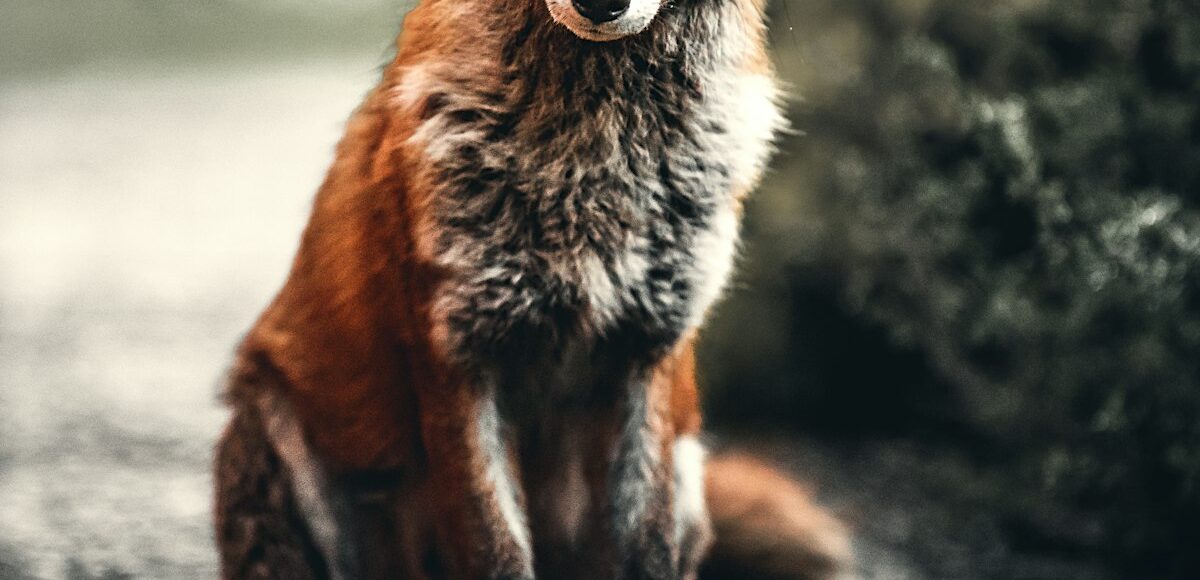
The Magic of Avian Macro: Why Close-Ups Matter
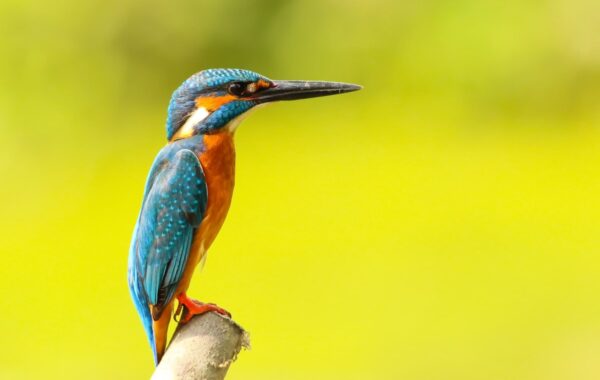
There is an undeniable magic in seeing a bird up close. For centuries, bird watchers have relied on binoculars and massive telephoto lenses to bridge the gap between human curiosity and avian caution. But even the best glass can struggle to capture the intricate details of a goldfinch’s plumage or the iridescent throat feathers of a ruby-throated hummingbird from fifty feet away.
This is where smart bird cameras have revolutionized the hobby. By bringing the lens directly to the perch, these devices capture stunning, high-resolution close-ups that would otherwise require thousands of dollars in professional camera gear. But not all smart bird cameras are created equal. If your goal is jaw-dropping, crisp, feather-level detail, you need a camera designed specifically for close-up photography. Let’s dive into the technical features that matter and the best devices currently dominating the backyard birding scene.

Key Features for Close-Up Bird Photography
When shopping for a camera that will sit mere inches from your feathered subjects, standard security camera specs won’t cut it. To get those razor-sharp details, pay close attention to these parameters:
- Minimum Focal Distance: This is the most critical spec. Many standard outdoor cameras are focused on infinity, meaning anything closer than three feet becomes a blurry mess. Bird-specific cameras have a calibrated focal range designed to keep subjects sharp from 2 to 10 inches away.
- Resolution and Sensor Size: While 1080p is the baseline, 2K or 4K resolution sensors offer significantly more cropping power. This allows you to zoom in on a bird’s eye or beak without losing image quality.
- Field of View (FOV): A wider FOV (around 120 to 135 degrees) is excellent for capturing the surrounding environment, but a slightly narrower, focused FOV can prevent the “fisheye” distortion that ruins close-up portraits.
- Trigger Speed and AI Detection: Birds are incredibly fast. A camera with high latency will only capture tail feathers as the bird flies away. Look for cameras with PIR (passive infrared) sensors that trigger within milliseconds.
The Top Smart Bird Cameras for Close-Up Details
1. The Pioneer of Portraits: Bird Buddy
The Bird Buddy has earned a legendary reputation in the birding community, and for good reason. It was built from the ground up to capture close-up, postcard-style portraits of visiting birds. The camera module sits directly opposite the perch, perfectly aligned to capture eye-level shots.
What makes the Bird Buddy exceptional for close-ups is its fixed-focus lens, which is optimized precisely for the distance between the camera and the seed tray. The resulting photos are bright, vibrant, and incredibly sharp. The AI-driven software automatically crops and frames the shots, delivering stunning close-ups straight to your phone. While it lacks manual focus adjustments, its out-of-the-box performance for portraits is hard to beat.
2. The Heavyweight Champion: Netvue Birdfy Bamboo
For those who want a blend of natural aesthetics and high-tech performance, the Netvue Birdfy Bamboo is a standout choice. Beyond its eco-friendly bamboo construction, the camera sensor inside this unit is top-tier. Offering 1080p resolution with highly optimized color science, it excels at capturing the true-to-life colors of vibrant songbirds.
The Birdfy’s lens features a highly responsive autofocus system that adapts quickly as a bird hops closer to the lens. It also features an impressive macro-like quality, allowing you to see individual barbules on feathers. Furthermore, the companion app allows you to manually trigger photos and videos, giving you creative control over the exact moment of capture.
3. The Budget-Friendly Close-Up: Technaxx TX-165
If you prefer a more hands-on, traditional photography approach without relying heavily on cloud subscriptions, the Technaxx TX-165 is a fascinating option. Unlike many smart feeders that use integrated, non-removable cameras, the Technaxx utilizes a specialized action-cam style unit housed within a feeder frame.
The standout feature here is the manual focus ring. For true macro enthusiasts, this is a game-changer. You can manually calibrate the lens to focus on a highly specific zone of the landing perch. If you have the patience to set it up, the TX-165 can produce close-up images with a depth-of-field effect that rivals entry-level DSLR cameras.
Pro-Tips for Capturing Stunning Close-Up Bird Photos
Even the best camera needs the right environment to shine. To elevate your close-up bird photography from good to breathtaking, implement these field-tested strategies:
Positioning and Light Direction
Light is the lifeblood of photography. Never position your smart bird camera facing directly into the sun, as this will silhouet your subjects and wash out their vibrant colors. Instead, position the camera facing North or South. East-facing setups are ideal for capturing golden-hour morning light, which highlights the warm tones in feathers beautifully.
Keep the Lens Pristine
Birds are messy eaters. Seed dust, pollen, and the occasional splash of berry juice will inevitably find their way onto your camera lens. A dirty lens ruins contrast and causes the autofocus to hunt. Make it a habit to wipe down the lens cover with a microfiber cloth every time you refill the feeder.
Stage the Background
While the focus will be on the bird, the background still matters. Try to position your camera so that the background consists of distant foliage rather than a brick wall or a white vinyl fence. A distant, natural background will blur into a beautiful, soft green or brown pastel, making your close-up subject pop dramatically.
Transforming Your Backyard Connection
Investing in a dedicated smart bird camera does more than just fill your phone gallery with beautiful images; it changes how you perceive your local ecosystem. When you can see the tiny water droplets on a chickadee’s head after a morning bath, or the intricate patterning on a woodpecker’s tongue, you build a deeper empathy for these remarkable creatures. Choose the camera that fits your workflow, set it up with care, and prepare to be amazed by the hidden world thriving just outside your window.