How to Attract Rare Birds to Your Smart Camera Feeder
The Thrill of the Rare Notification
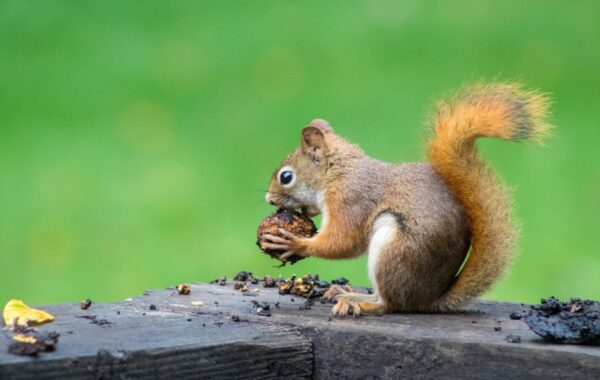
There is nothing quite like the adrenaline rush of hearing your phone chime, tapping the notification, and seeing a vibrant, unexpected visitor staring directly into your smart bird camera lens. For those of us who live for backyard birding, a smart feeder is a game-changer. It turns our backyards into interactive wildlife documentaries. However, if your camera roll is currently filled with nothing but the usual suspects—local house sparrows, pigeons, and the occasional ambitious squirrel—it is time to upgrade your strategy.
Attracting rare, shy, or migratory birds requires more than just hanging a high-tech gadget on a tree and hoping for the best. It takes a blend of ornithological strategy and tech optimization. By understanding the specific habits of elusive species and setting up your equipment to capture them without causing fright, you can turn your backyard into a hotspot for rare avian visitors.

1. Curate a Five-Star Menu (Ditch the Cheap Fillers)
If you buy generic, budget birdseed bags from the local supermarket, you will get generic birds. Most cheap mixes are packed with filler seeds like red milo, wheat, and oats, which most desirable birds simply kick out of the tray. To attract showstoppers like the Painted Bunting, Evening Grosbeak, or Scarlet Tanager, you need to offer premium, species-specific delicacies.
- Safflower Seed: The ultimate secret weapon. Cardinals, Grosbeaks, and Nuthatches love it, but squirrels and grackles generally detest it. It is a fantastic way to keep your smart feeder peaceful enough for shy birds to visit.
- Nyjer (Thistle) Seed: If you want to capture the brilliant gold of American Goldfinches or the subtle beauty of Pine Siskins, Nyjer is essential. Ensure your smart feeder has a specialized insert or tray to prevent these tiny seeds from falling through.
- Mealworms (Dried or Live): Bluebirds, Orioles, and various Warblers are insectivores. Offering mealworms in your smart feeder’s auxiliary cups is an instant magnet for these striking species.
- Pure Suet Blends: High-energy suet attracts Woodpeckers (like the Pileated or Hairy Woodpecker) and Nuthatches. Look for smart feeders with side-mounted suet cages to capture these birds up close while they cling and feed.
2. Master the Art of Strategic Placement
Where you position your smart camera feeder dictates not only the quality of your video footage but also which birds feel safe enough to visit. Rare birds are notoriously skittish. They will rarely land on a feeder sitting in the middle of a wide-open, exposed lawn where they feel vulnerable to hawks.
Position your feeder roughly five to ten feet away from natural cover, such as dense bushes, evergreen trees, or brush piles. This distance is the sweet spot: it gives birds a quick escape route from predators while keeping them close enough to comfortably transition to your feeder. Avoid putting the feeder directly inside thick foliage, as this can block your camera’s line of sight and trigger constant false motion alerts from wind-blown leaves.
Additionally, pay attention to the sun. To get those crisp, vibrant 1080p or 4K captures where the iridescent feathers truly pop, position your camera facing north or south. This prevents harsh backlighting (when the camera faces the sun) and minimizes lens flare during the golden hours of sunrise and sunset when bird activity peaks.
3. Pair Your Feeder with a Water Feature
If you want to double your chances of spotting a rare species, add water to the equation. While not all birds eat seed, absolutely every bird needs to drink and bathe. Migrating warblers, which rarely visit traditional seed feeders, are highly attracted to the sound of moving water.
Consider placing a bird bath with a solar-powered fountain, dripper, or mister within the background view of your smart camera. The movement and sound of rippling water act as an audio beacon, drawing in birds from high up in the canopy. Once they land for a drink, the sight of your premium seed nearby will entice them to hop over to the feeder, giving you the perfect close-up footage.
4. Optimize Your Smart Camera Settings for Stealth
Smart bird feeders are packed with incredible technology, but out-of-the-box settings can sometimes work against you when dealing with sensitive, rare species. To maximize your chances of capturing that once-in-a-lifetime visitor, take a few minutes to dive into your device’s app settings.
First, adjust your motion detection sensitivity. Rare birds are often smaller and move more delicately than heavy blue jays or squirrels. If your sensitivity is set too low, the camera might miss a fleeting visit from a tiny Ruby-crowned Kinglet. Set the sensitivity to high, but use the app’s “Activity Zones” feature to block out moving tree branches or background traffic that could drain your battery.
Second, manage the audio. While hearing bird songs in high-definition is incredible, some smart camera speakers can emit subtle high-frequency hums or clicking noises when the microphone or infrared night vision engages. If your model allows, disable any unnecessary status lights or sounds that might startle a tense, first-time visitor. You want your feeder to be as silent and unobtrusive as possible.
5. Practice the Patience of a Seasoned Birder
When you first mount a brand-new, shiny smart feeder, do not expect a rare species to land on it within the hour. Birds are creatures of habit and are highly suspicious of new objects in their territory. It can take anywhere from a few days to several weeks for local bird populations to trust a new feeder.
If you find that birds are avoiding your high-tech setup, try turning off the camera’s active monitoring for the first few days to let them get comfortable without any mechanical activity. You can also sprinkle a little bit of seed around the base of the feeder pole or on top of the feeder roof to guide them toward the main feeding tray. Once the common birds start using it regularly, their activity and calls will signal to rarer, passing birds that your yard is a safe and bountiful feeding zone.
The Ultimate Reward
Attracting rare birds to your smart camera feeder is a rewarding journey that combines a passion for nature with the thrill of modern technology. By upgrading your seed selection, optimizing your feeder’s location, adding the allure of water, and fine-tuning your camera settings, you transform your backyard into an exclusive sanctuary. Keep your batteries charged, your lens clean, and your notifications turned up—your next legendary backyard visitor is just around the corner.